

Supporting Elderly Independence: Essential Home Assistance for Seniors
Many elderly people want to continue living in their own homes as they age. The comfort of familiar surroundings and the sense of control over daily life are powerful reasons to stay put. Yet, some tasks become harder with time, and help becomes necessary to maintain safety and independence. Finding the right kind of home assistance can make a big difference in quality of life for seniors and their families.
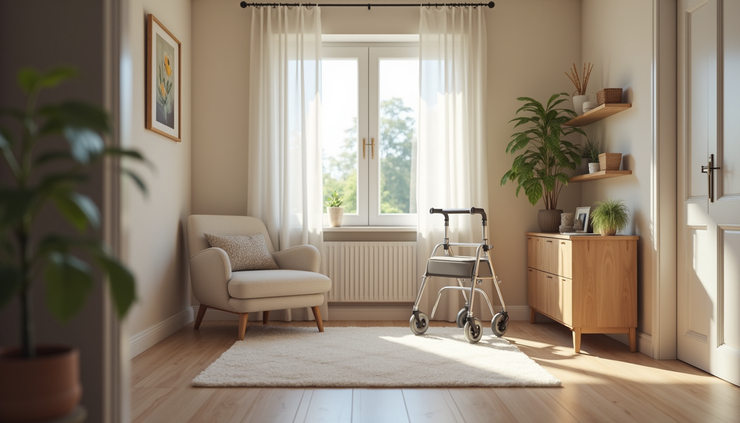
Why Staying at Home Matters to Seniors
Living at home offers seniors a sense of freedom and dignity. It allows them to keep their routines, stay connected with neighbors, and enjoy personal belongings. Moving to a care facility can feel like losing control, which affects emotional well-being.
However, aging often brings challenges like reduced mobility, vision or hearing loss, and memory issues. These changes can make everyday tasks difficult or unsafe. Without support, risks of falls, medication errors, or social isolation increase.
Supporting elderly independence means balancing safety with respect for their preferences. Home assistance services and modifications help seniors manage tasks they find difficult while preserving their autonomy.
Common Tasks Where Seniors Need Help
Seniors may need assistance with a variety of daily activities. Some examples include:
Personal care: Bathing, dressing, grooming, and toileting can become challenging due to limited mobility or arthritis.
Medication management: Remembering to take the right medication at the right time is critical but often complicated.
Household chores: Cleaning, cooking, laundry, and yard work may be physically demanding.
Transportation: Driving may no longer be safe, making it harder to attend appointments or social events.
Shopping and errands: Carrying groceries or navigating stores can be difficult.
Home maintenance: Fixing things around the house or managing utilities might require help.
Each senior’s needs vary, so personalized support plans work best.
Types of Home Assistance That Support Independence
There are many ways to provide help while respecting seniors’ desire to live independently. Some options include:
In-Home Care Services
Professional caregivers can visit regularly to assist with personal care, meal preparation, medication reminders, and light housekeeping. These caregivers often build trusting relationships, which benefits emotional health.
Home Modifications
Simple changes to the home environment improve safety and ease of movement:
Installing grab bars in bathrooms
Adding ramps or stairlifts
Improving lighting to reduce fall risk
Rearranging furniture for better accessibility
Using non-slip mats and handrails
These adjustments allow seniors to perform tasks more easily and reduce accidents.
Assistive Technology
Technology can support independence in many ways:
Medication dispensers with alarms
Emergency alert systems
Voice-activated devices for controlling lights or appliances
Mobility aids like walkers or wheelchairs
Smart home sensors to monitor activity and detect falls
These tools provide peace of mind for seniors and their families.
Community Resources
Local organizations often offer transportation services, meal delivery, social activities, and caregiver support groups. Staying socially engaged helps prevent loneliness and depression.
Practical Tips for Families Supporting Elderly Loved Ones
Helping seniors stay at home safely requires planning and communication. Families can:
Assess needs together: Discuss which tasks are difficult and what kind of help feels comfortable.
Start small: Introduce one type of assistance at a time to avoid overwhelming changes.
Encourage independence: Let seniors do what they can, offering help only when needed.
Stay involved: Regular check-ins and visits help monitor well-being.
Explore financial options: Some services may be covered by insurance, government programs, or community grants.
Respect preferences: Seniors should have a say in their care and home modifications.
Open conversations and patience build trust and cooperation.
Benefits of Supporting Independence at Home
Providing the right home assistance improves seniors’ safety, health, and happiness. It can:
Reduce falls and injuries
Improve medication adherence
Enhance nutrition and hygiene
Maintain social connections
Delay or avoid moving to assisted living or nursing homes
Support emotional well-being by preserving autonomy
Families also benefit by reducing stress and feeling confident their loved ones are cared for.
Supporting elderly independence is a practical way to honor their wishes and improve quality of life.


Comments