

How Senior Clean and Care Services Help Seniors Live Safely at Home
A home can feel familiar and comforting, yet still hide small risks that make daily life harder for an older adult. A loose rug, a dim hallway, a bathtub without a grab bar, or clutter near a favorite chair can turn a simple routine into a fall hazard.
That is where Senior Clean and Care services can make a meaningful difference. These services help seniors keep their homes clean, organized, and easier to move through while also supporting safer daily routines. For many families, the goal is not to take away independence. The goal is to protect it.
When the home works better, seniors can cook, bathe, rest, welcome visitors, and move from room to room with more confidence. Small changes often have a large impact, especially when they are guided by someone who understands aging, mobility, and home safety.

Why safe living at home starts with the environment
Many older adults prefer to age at home because home offers comfort, privacy, and routine. Familiar spaces can support emotional well-being. The challenge is that a home that once fit someone perfectly may not support them as well after changes in balance, vision, strength, memory, or mobility.
A house does not need to be unsafe to become difficult. Everyday features can create strain over time.
Common examples include:
Low seating that is hard to rise from
Stairs without secure handrails
Poor lighting in hallways or bathrooms
Kitchen items stored too high or too low
Loose cords, shoes, baskets, or pet items in walking paths
Slippery bathroom floors
Medications, paperwork, and supplies spread across several rooms
Senior Clean and Care support can address these everyday problems in a practical way. Cleaning helps remove clutter, dust, spills, and tripping hazards. Care-focused assistance helps with routines that may have become tiring or risky. Together, these services create a cleaner, calmer, and more manageable home.
A safer home also reduces stress for family members. Loved ones often worry about what happens between visits. Is the laundry piling up? Are meals easy to prepare? Is the bathroom safe? Has mail or clutter taken over the kitchen table? Regular support gives families a clearer picture of how the home is working and where extra help may be needed.
What Senior Clean and Care services often include
Senior Clean and Care services of Orange, combine household support with an eye for safety. The work goes beyond making a home look neat. It focuses on helping the senior use the home comfortably.
Services may include:
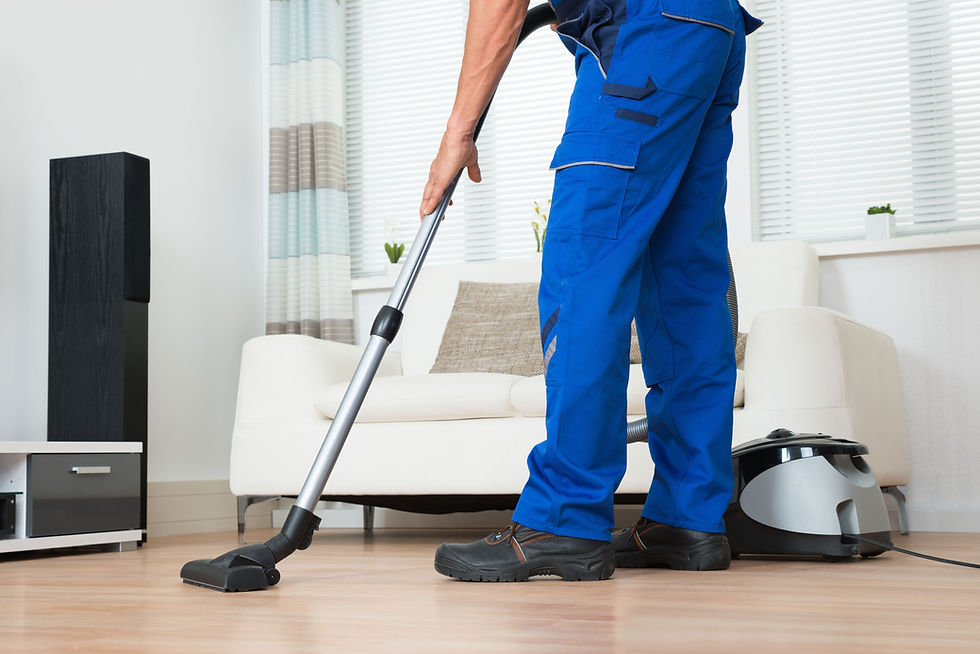
Light housekeeping, such as dusting, vacuuming, laundry, and dishes
Removing clutter from walkways, counters, and high-use areas
Organizing daily items so they are easier to reach
Cleaning bathrooms and kitchens to reduce slip and hygiene concerns
Helping with bed linens and safe room setup
Noticing changes in the home that may affect safety
Communicating concerns to family members or care coordinators when appropriate
The clean-and-care combination matters because household tasks often connect directly to safety. A stack of newspapers near a walkway is not just clutter. A spill near the kitchen sink is not just a mess. A laundry basket left near the bedroom door can become a fall risk during a nighttime bathroom trip.
A trained helper can spot these issues during routine visits and correct many of them right away.
This type of support also respects dignity. Many seniors feel frustrated when they cannot keep up with chores the way they used to. Gentle, consistent help can reduce that pressure without making the person feel as though they have lost control of their own home.
The role of a Senior Home Safety Specialist
A Senior Home Safety Specialist looks at the home through a safety lens. Their role is to assess how well the home supports the person who lives there, especially in relation to mobility, fall prevention, lighting, bathroom safety, and daily routines.
This assessment is not about criticizing the home. It is about finding practical improvements.
A specialist may walk through each room and ask questions such as:
Where does the senior spend most of the day?
Which rooms are used at night?
Are there places where balance feels uncertain?
Can the senior enter and exit the shower safely?
Are light switches easy to reach?
Are chairs, beds, and toilets at comfortable heights?
Are walkers, canes, or other tools being used correctly?
Are emergency contacts and phones easy to access?
The specialist may also observe how the person moves through the home. For example, they might notice that a cane is left behind in the kitchen because there is no convenient place to store it near a chair. They might see that a hallway light is bright enough during the day but not at night. They may notice that the senior holds onto a towel bar for balance, even though towel bars are not designed to support body weight.
After the assessment, the specialist can recommend changes. Some may be simple and low cost. Others may involve equipment, handyman work, or input from a medical provider, physical therapist, or occupational therapist.
The best home safety changes are the ones a senior will actually use every day.
That is why a personalized assessment matters. A grab bar in the wrong place may not help. A walker that is the wrong height can create strain. A bright overhead light may not solve the problem if the person needs task lighting near a chair. Safety works best when it fits the person, the home, and the routine.

Small changes that can improve safety right away
Not every safety improvement requires remodeling. Many homes become safer through simple, thoughtful updates. The key is to focus first on the areas where falls and strain are most likely to happen.
Make walkways clear and predictable
Clear paths are one of the simplest ways to reduce risk at home. Seniors should be able to move through each room without stepping around clutter, cords, furniture legs, or uneven rugs.
Helpful changes include:
Remove loose throw rugs or secure them with non-slip backing
Keep shoes, bags, and baskets away from doorways
Move small tables or plant stands out of narrow paths
Tape down or reroute electrical cords
Keep pet bowls and toys away from walking areas
Predictability also matters. When furniture stays in the same place, the body and brain learn the route. Frequent rearranging can cause confusion or create new hazards.
Improve lighting in high-risk areas
Vision often changes with age, and dim lighting can make steps, thresholds, and obstacles harder to see. Better lighting can make the home feel safer without changing the layout.
Good places to add lighting include:
Hallways
Stairways
Bathrooms
Bedrooms
Entryways
Kitchen work areas
Paths used during the night
Motion-sensor night lights can help between the bedroom and bathroom. Lamps with easy switches can help near favorite chairs and beds. In kitchens, under-cabinet lighting can make food preparation easier and safer.
Add grab bars where support is needed
Bathrooms are common places for slips because surfaces can be wet and hard. Grab bars can provide steady support near toilets, showers, and tubs.
Grab bars should be properly installed into wall studs or with appropriate wall anchors. Suction-style products may seem convenient, but they may not provide reliable support for body weight.
Helpful locations often include:
Beside the toilet
Inside the shower
Near the shower entrance
Along the wall next to a bathtub
A grab bar should also be easy to reach from the positions where support is needed. This is another area where a home safety assessment can help.
Choose safer seating and bed heights
A chair that is too low can be difficult to stand from. A bed that is too high or low can make getting in and out harder. These small struggles can increase fall risk, especially when a person is tired.
Supportive seating should have:
Firm cushions
Armrests
A stable base
A height that allows feet to rest flat on the floor
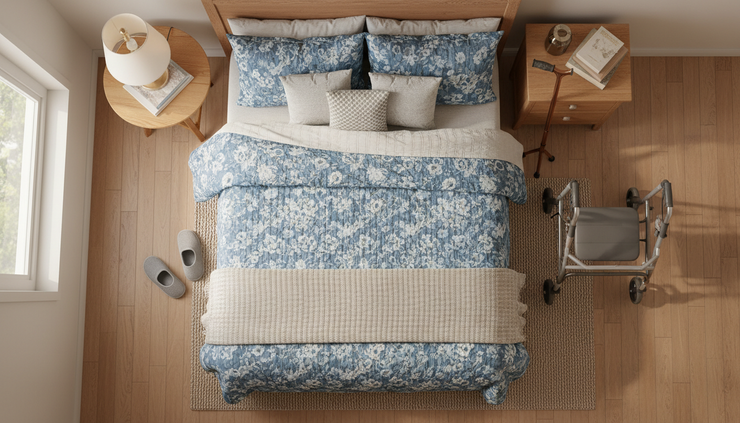
Bed height should allow the person to sit with feet touching the floor before standing. If a senior needs to push, rock, or grab nearby furniture to stand, the setup may need adjustment.

Why the right support tools matter
Walkers, canes, shower chairs, raised toilet seats, reachers, and other support tools can help seniors move with less strain. Yet the tool must fit the person and the task. The wrong tool can create new problems.
A cane that is too tall or too short can affect posture and balance. A walker that is not adjusted correctly may cause shoulder or wrist discomfort. A shower chair that shifts on the floor can make bathing feel less safe, not more safe.
Families sometimes buy equipment quickly after a fall or hospital stay. That is understandable, but it is best to get guidance when possible. A physical therapist, occupational therapist, medical provider, or trained safety specialist can help match the tool to the person’s needs.
Support tools should be easy to reach
Even the best walker cannot help if it is across the room. Support tools should be placed where they are needed most.
Good placement may include:
A cane stand near a favorite chair
A walker within reach of the bed
A reacher in the laundry area or bedroom
A shower chair already positioned before bathing
Non-slip footwear near the bedside
The goal is to make the safe choice the easy choice.
Tools should feel comfortable to use
If a senior avoids a tool, there is usually a reason. It may feel awkward, embarrassing, heavy, or hard to maneuver. The home layout may also make the tool difficult to use. For example, a walker may not fit easily through a tight furniture arrangement.
A Senior Home Safety Specialist can help identify these barriers. Sometimes the solution is not a new device. It may be moving a chair, clearing a wider path, adjusting the tool height, or adding a convenient storage spot.
How clean, organized spaces support daily care
Cleanliness and safety are closely connected. A clean home can reduce the chance of slips, misplaced items, and stressful daily routines. It can also make care easier for visiting family members, aides, and health professionals.
An organized home helps seniors conserve energy. When glasses, medications, tissues, phones, and water are within reach, the person does not need to get up as often. When kitchen items are stored at waist or shoulder height, there is less bending and reaching. When laundry is managed regularly, there are fewer baskets and piles in walking paths.
Senior Clean and Care services can also help families notice patterns. For example, if unopened mail keeps piling up, the senior may need help with paperwork. If food spoils in the refrigerator, meal support may be needed. If the bathroom becomes harder to maintain, bathing or mobility may be changing.
These observations are not about blame. They are signs that the home and care plan may need to adapt.
When families should consider extra help
Families often wait until there is a fall or a major scare before bringing in support. Yet early help can prevent smaller problems from growing. A home safety review and regular clean-and-care visits can be useful when daily tasks start to feel harder.
Signs that support may help include:
New clutter in places that used to stay clear
Trouble getting in or out of the shower
Increased use of furniture for balance
Falls, near falls, or fear of falling
Difficulty keeping up with laundry or dishes
Poor lighting or trouble seeing at night
Avoiding stairs, bathing, cooking, or certain rooms
Family members feeling worried between visits
The most respectful approach is to frame support as a way to maintain independence. Many seniors are more open to help when it is presented as practical home support rather than a loss of control.
A good first step is a conversation about what feels difficult, tiring, or unsafe. From there, families can arrange a home safety assessment and decide what level of cleaning, organizing, and care support makes sense.
A safer home helps independence last longer
Living safely at home is not about making every room look perfect. It is about creating a home that fits the senior’s current needs. Clean floors, clear pathways, good lighting, secure grab bars, and well-fitted support tools can make everyday life easier and safer.
Families do not have to solve everything at once. Start with the highest-risk areas, usually the bathroom, bedroom, kitchen, stairs, and nighttime walking paths. Bring in a Senior Home Safety Specialist when the risks are unclear or when mobility has changed. Add regular cleaning and care support to keep the home safe over time, not just for one day.
The right help can protect comfort, dignity, and independence. For many seniors, that is what makes staying at home not only possible, but safer and more peaceful.


Comments